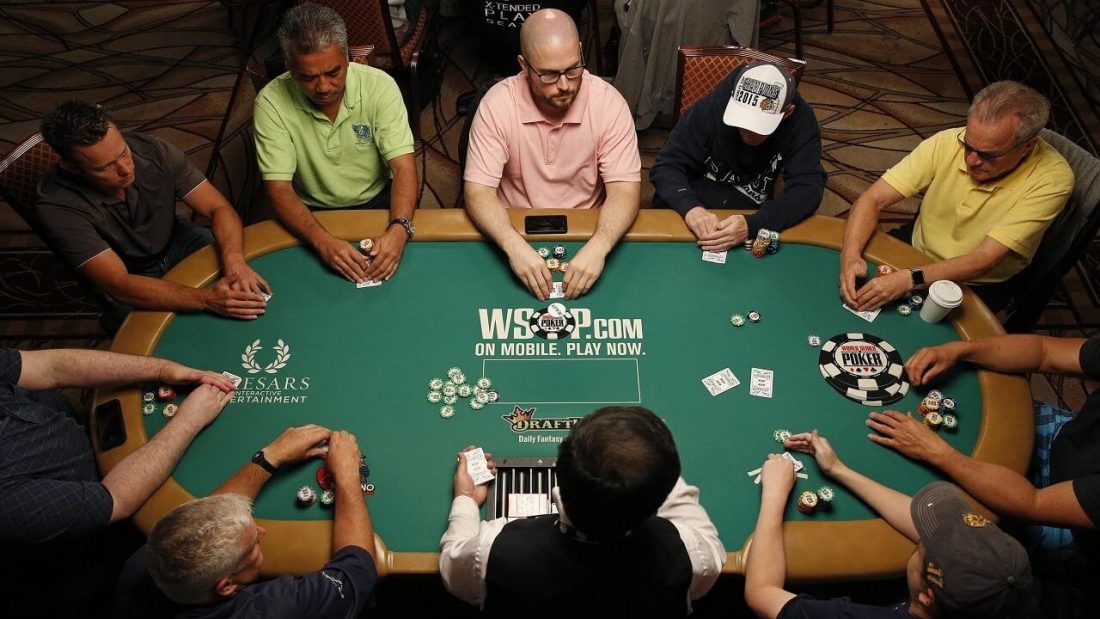

How to Prepare for Your First Live Poker Tournament at a Casino
Your first live poker tournament can feel very different from playing a few hands with friends or sitting in an online tournament. The rules of Texas Hold’em may be familiar, but a casino adds procedures that are easy to overlook: registration, assigned seating, physical chips, rising blind levels, verbal betting declarations, scheduled breaks and decisions made by dealers or tournament staff. Preparation therefore matters beyond knowing which hands beat which. As of 2026, major live organisers and the Poker Tournament Directors Association place considerable responsibility on players to follow the action, protect their cards, keep their chips visible and make betting intentions clear. Fortunately, none of this requires advanced poker theory. A first-time player will usually benefit more from understanding how the event works, arriving with the correct documents, knowing a few essential table rules and setting a sensible spending limit than from trying to memorise complicated strategy. The aim of preparation is simple: remove avoidable uncertainty before taking your seat so that, once the cards are dealt, your attention can stay on the game.
Choose the Right Tournament and Plan Your Day
Start with the tournament schedule rather than choosing an event solely because its advertised prize pool looks attractive. The important details are the poker variant, total entry cost, starting stack, duration of each blind level, late-registration period, re-entry rules and expected length of play. Most first live tournaments are easier to manage when the structure gives you enough chips and enough time to become accustomed to the table. A very fast event with short levels can force decisions quickly, while a slower structure gives a new live player more time to observe the dealer, recognise betting amounts and become comfortable handling chips. Real 2026 schedules illustrate how much information can be contained in one event listing. For example, some Grosvenor UK Poker League events specify the entry as a stake plus a separate fee, alongside the starting stack, 30-minute levels and the level at which late registration ends. Read every part of that information rather than treating the buy-in as the only figure that matters.
Set your financial limit before leaving for the casino. A tournament buy-in should be treated as money committed to the event rather than money that must somehow be recovered if you are eliminated. If the tournament permits re-entry, decide in advance whether you are prepared to enter once, twice or not re-enter at all. This prevents a disappointing exit from turning into an unplanned second or third purchase. Include the practical costs of the day as well: transport, parking, meals and accommodation can make the real expense noticeably higher than the figure printed beside the tournament name. A first event does not need to be expensive to be useful. In fact, choosing a smaller local tournament often makes sense because it allows you to learn casino procedures without attaching too much financial importance to every pot. The most useful first tournament is one whose total possible cost fits comfortably within money you have deliberately allocated to leisure.
Check registration requirements before travelling. Live poker organisers commonly require valid photographic identification, and some events also require an account, casino membership or loyalty card. PokerStars Live, for example, tells players attending its live events to bring a passport or another valid government-issued photo ID, while the 2026 World Series of Poker requires valid identification and a Caesars Rewards account for event registration. Procedures differ from one organiser and jurisdiction to another, so use the casino’s current event page rather than assuming that a previous visit elsewhere will be sufficient. Arriving early is particularly useful for a first tournament. Allow time to locate the poker room, complete any identity checks, collect your tournament ticket and find your table without rushing. Thirty to sixty minutes is a sensible margin when you have never visited the venue before, with additional time appropriate for a major festival where registration queues and large convention areas can make navigation slower.
Learn the Structure Before You Sit Down
A tournament structure determines how quickly the pressure increases. The blinds rise at fixed intervals, and many events also introduce or increase antes, so the same stack of chips becomes less powerful as play continues. You do not need advanced calculations to understand this. A useful simple measure is the number of big blinds in your stack. If you hold 30,000 chips when the big blind is 200, you have 150 big blinds. If you still have 30,000 when the big blind reaches 1,000, you have 30. This explains why a stack that looked enormous at the beginning can become relatively modest later without losing a single chip. Before registering, look at both the starting stack and level length. A large number printed beside “starting chips” does not automatically mean a slow tournament; the blinds may rise quickly enough to reduce that stack just as fast. Understanding this basic relationship is more useful than focusing on the absolute number of chips.
Make sure you understand the difference between late registration, re-entry, rebuy and a freezeout. Late registration allows new participants to join after the official start, usually until a specified level. A re-entry event normally allows an eliminated player to register again and receive a new starting stack, subject to the organiser’s limits. A traditional freezeout gives each participant a single entry: once the chips are gone, the tournament is over for that player. The exact treatment of late arrivals is also organiser-specific. PokerStars Live currently states that a player arriving before its late-registration period ends receives a full starting stack, while procedures after registration closes can differ and are subject to tournament management. This is why arriving late should never be based on assumptions from another event. Read the published rules for the tournament you actually intend to play and check the registration desk if any point remains unclear.
Look beyond the first few levels and find out how the rest of the day is organised. Larger tournaments may have several starting flights, a scheduled dinner break, a fixed number of levels on Day 1 and a second day for surviving players. Smaller casino tournaments may continue until a winner is decided on the same evening. Knowing this in advance affects transport, meals, work commitments and accommodation. It also prevents the common mistake of assuming that a tournament advertised at 7 p.m. will finish around normal closing time. Poker events can run for many hours, particularly when the field is large. Check when breaks are scheduled, whether food is available nearby and what happens if you qualify for another day. If chips are bagged at the end of a session, follow the dealer’s instructions carefully and confirm any information written on the bag or player slip. Tournament staff will handle the process, but players are still responsible for checking that their identifying details and seat information are correct.
Master Live Table Procedures and Avoid Costly Mistakes
When you reach your assigned table, place your tournament ticket where staff can check it and take only the seat shown on the assignment. Do not move chips to another seat simply because it looks more comfortable. Once seated, count your stack if the event allows time to do so and become familiar with the chip denominations. Higher-value chips should remain clearly visible rather than hidden behind smaller denominations. Keep your hole cards where the dealer and other players can see that you still have a live hand, but protect them from being accidentally collected. Many live players place a single chip or a small card protector on top of their cards without concealing them. The 2026 Poker TDA rules specifically place responsibility on players to protect their hands, keep cards visible, maintain countable chip stacks, verify their seat assignment and follow the action. These are not difficult tasks, but neglecting them can turn an otherwise simple hand into a dispute.
The most important live-game habit is to wait until the action reaches you. Look towards the dealer and the players to your right before making any movement with chips. Acting too early can reveal information and, depending on what happens before the action reaches you, an out-of-turn action can sometimes become binding or lead to a penalty. Once it is your turn, use simple words. “Check”, “call”, “raise”, “fold” and “all-in” are preferable to casual phrases that might be misunderstood. If you intend to raise, saying “raise” before moving your chips is one of the safest habits a new player can develop. This is especially useful when using a single large-denomination chip. Under current TDA rules, silently placing one oversized chip into the pot when facing a bet is normally treated as a call, not a raise. A player who intended to increase the bet may therefore get a very different result from the one expected simply because the intention was not stated first.
If you are uncertain about the amount of a bet, whose turn it is or what options are available, ask the dealer before touching your chips or cards. There is no benefit in pretending to understand a situation when a short question can prevent an error. Dealers handle the ordinary flow of the game, while unusual disputes may be referred to a floor person or tournament director. The current TDA framework makes fairness and the best interests of the game central to tournament decisions and treats floor rulings as final. At the same time, TDA rules supplement rather than replace local casino rules and gaming regulations. A procedure you saw at another tournament therefore cannot automatically be demanded at your current table. When the dealer or floor gives an instruction, listen to the ruling first and ask for clarification calmly if necessary. Arguing while a hand is still active usually makes an already confusing situation harder for everyone involved.
Betting, Showdown and Etiquette in Plain English
Physical betting is the area where online players most often need an adjustment. Online software interprets every click automatically; at a live table, your words and chip movements can have consequences. The 2026 TDA rules state that clear verbal declarations made in turn are binding. They also prohibit string bets, where a player puts out some chips and then returns to the stack to add more without having announced the full raise first. Make a bet in one clear motion or announce what you intend to do before moving the chips. Be careful with gestures as well. Tapping the table is conventionally treated as a check. Do not casually say “call” or “raise” while discussing what another player has done, because official betting words can be interpreted as your own action when the context is unclear. For a first event, there is no advantage in creative table language. State the action plainly, let the dealer confirm it and then put the chips forward.
At showdown, keep possession of your cards until the winner has been established. A surprisingly expensive live-poker mistake is to glance at an opponent’s hand, assume you have lost and push your own cards into the muck without showing them properly. Current TDA rules use the principle that the cards themselves determine the winning hand when they are correctly tabled. To table a Hold’em hand properly, both hole cards must be turned face up so that the dealer and players can read them. A verbal description of what you hold is not a substitute. If you think you have the best hand, turn it over and let the dealer read it. If you are unsure, the same advice applies. There is no penalty for allowing the dealer to determine whether your straight, flush or two pair is actually the winning combination. Protecting your cards until the pot has been awarded is a simple habit that removes the risk of surrendering a legitimate winning hand through embarrassment or haste.
Good etiquette mostly means allowing every player to make an independent decision without interference. Do not tell another player what you think they should do, reveal folded cards while a hand is continuing or discuss the likely holdings of players who are still involved. Grosvenor’s current house rules, for example, treat advice, criticism of another player’s decisions and discussion of an active hand as etiquette problems, while the broader tournament standard follows the principle of one player to a hand. Technology also deserves attention in 2026. Poker TDA rules prohibit using a phone or communication device while you have a live hand and do not allow phones to rest on the poker table. They also specifically address newer technology capable of covert recording, communication or external assistance. PokerStars Live goes further by prohibiting GTO solver software, strategy charts and AI tools that could provide a competitive advantage in the playing area. The practical rule for a first-timer is uncomplicated: keep the phone away during hands and make every decision yourself.

Prepare Yourself for Several Hours of Live Play
Physical preparation has a direct effect on how comfortable you remain at the table. Get a reasonable night’s sleep, eat before the tournament and keep water available where venue rules permit. Casino poker rooms can feel cool after several hours, so clothing that can be adjusted easily is more useful than dressing only for the weather outside. Avoid relying on alcohol to settle first-tournament nerves; even a small decline in concentration can make it harder to follow bets, remember action and notice when the blinds have changed. Use scheduled breaks for the toilet, food, messages and anything else that would otherwise distract you during play. Leaving the table unnecessarily while the tournament is running means hands continue to be dealt and blinds or antes may still be taken from your stack. Current tournament rules generally require a player with a live hand to remain at the table until action and showdown are complete, so plan routine tasks for the official breaks whenever possible.
The first few hands often feel faster than they really are because several unfamiliar things are happening at once. Instead of trying to study every player immediately, concentrate on a small routine. Find the dealer button, note the blind amounts, watch where the action begins and wait until the dealer indicates that it is your turn. Before looking at your own cards, it can help to notice roughly how many players have already entered the pot. When you act, make one clear decision and then return your attention to the table. After an orbit or two, the physical routine usually becomes much less distracting. Do not feel obliged to create action simply because you paid an entry fee and travelled to the casino. Folding several hands in succession is completely normal in poker. A first tournament becomes much easier when you allow the game to come to you rather than treating every hand as a test of courage or an opportunity to impress more experienced players.
Keep your poker strategy straightforward. Position, sensible starting-hand selection and awareness of your remaining stack matter more than elaborate moves designed to look sophisticated. When you are new to live play, a complicated bluff can be difficult not because bluffing itself is mysterious, but because you are simultaneously managing bet sizes, chip denominations, opponents and unfamiliar procedures. Give yourself fewer unnecessary decisions. Pay attention to strong hands, value bets and situations where the cost of continuing is clear. As the blinds rise, periodically compare your stack with the big blind so that you recognise when your room for waiting has decreased. This does not require memorising tournament charts at the table. It simply prevents you from thinking “I still have 40,000 chips, so I am fine” when the blinds have become large enough for that stack to represent only a limited number of rounds. Preparation should simplify your decisions, not turn your first casino event into an examination.
A Practical First-Tournament Routine from Arrival to the Last Hand
On arrival, complete registration first and keep your identification accessible until you know you no longer need it. Check the tournament information screen or registration slip for your table and seat number, then locate the table before the start if access is permitted. Once seated, verify that the stack in front of you corresponds with the advertised starting amount and tell the dealer immediately if something appears wrong. Learn which chips have the highest value and make sure they remain visible. Locate the dealer button, confirm the current blinds from the tournament clock and listen to any announcements from the tournament director. If you joined during late registration, ask the dealer where the action currently is rather than trying to infer everything while a hand is underway. These few checks take only a short time but remove most of the practical uncertainty that causes unnecessary stress during a first live tournament.
During play, use the same routine on every hand. Protect your cards, follow the action clockwise, wait for your turn and state important betting decisions clearly. Keep chips in tidy stacks that another player can estimate without asking you to rebuild them. When you move to a new table, take the seat assigned by staff and transport chips exactly as instructed; tournament chips are not ordinary casino chips and should never be pocketed or carried out of view. Put the phone aside as soon as you are dealt a live hand. If you miss something, ask the dealer before acting. When a break is announced, check the restart time before leaving the room and return a few minutes early. These habits may appear basic, but they are precisely the habits that allow experienced live players to devote more attention to poker itself. Once the mechanical side of the tournament becomes automatic, there is much more mental space for observing opponents and making considered decisions.
If you lose your final chips, pause before doing anything else. Confirm with the dealer that you have been eliminated and, if re-entry remains available, return to the registration area rather than assuming that another stack can simply be purchased at the table. Follow the spending decision you made before the event. If you planned one entry only, leaving after elimination is not a failed tournament; you have completed the event within the limit you set. If you survive to the end of the session, follow staff instructions for bagging chips, recording your count and confirming the next starting time. Prize claims and identification requirements also vary by venue, so keep your tournament documentation until the process is complete. Afterwards, review a handful of decisions you remember rather than judging the entire day by whether you won money. For a first live tournament, learning to register smoothly, act confidently in turn, handle chips correctly and remain comfortable for several hours is already meaningful progress towards becoming a capable live player.