Apathy towards Poker – Loss of Motivation
Poker, a game of skill, strategy, and human interaction, is as much a mental endeavor as it is a card game. As players navigate the highs and lows, it’s not uncommon for motivation to wane. Let’s explore this phenomenon and discover ways to rekindle the poker fire.
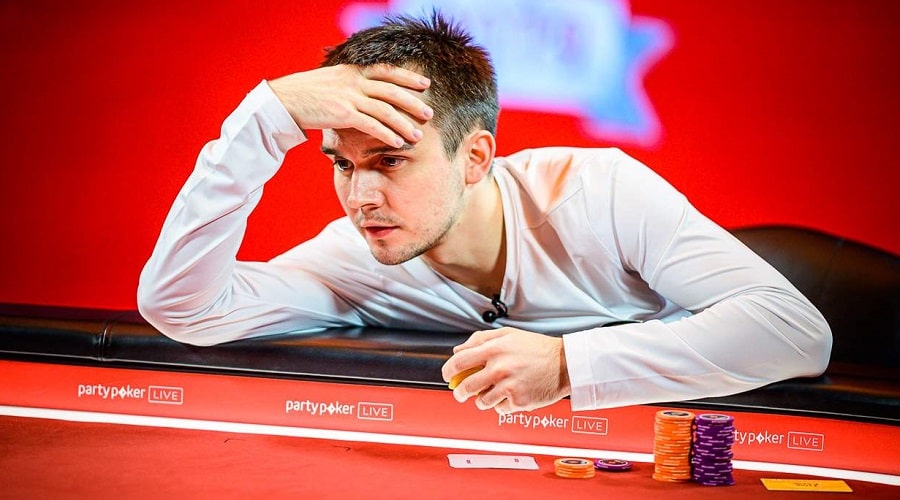
All poker players, whether novices or seasoned pros, experience periods where the allure of the felt diminishes. The enthusiasm with which they once approached the game seems to fade, replaced by a sense of indifference or apathy. This shift can be distressing, especially when poker isn’t just a pastime but a source of livelihood.
What is motivation? How to regain interest?
At its core, motivation is the driving force that compels us to act, pursue goals, or engage in activities. In the context of poker, motivation encourages a player to study hands, improve decision-making, compete, and strive for better results. When motivation is strong, players often approach the game with greater energy, curiosity, and dedication, making it easier to focus on long-term development rather than individual wins or losses.
Sources of motivation for poker players
Different players are motivated by various factors:
- Competitive Drive: Some players are naturally competitive and are driven by the desire to win, to best others, and to climb the ranks.
- Financial Rewards: Poker can be lucrative, and the prospect of earning can motivate many.
- Intellectual Challenge: For some, the strategic element of poker, the mental sparring, and the need to out-think opponents serve as significant motivators.
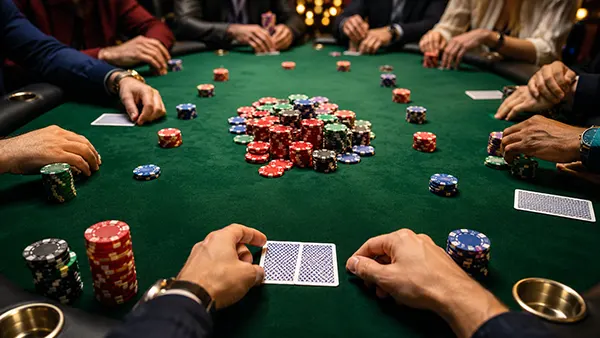
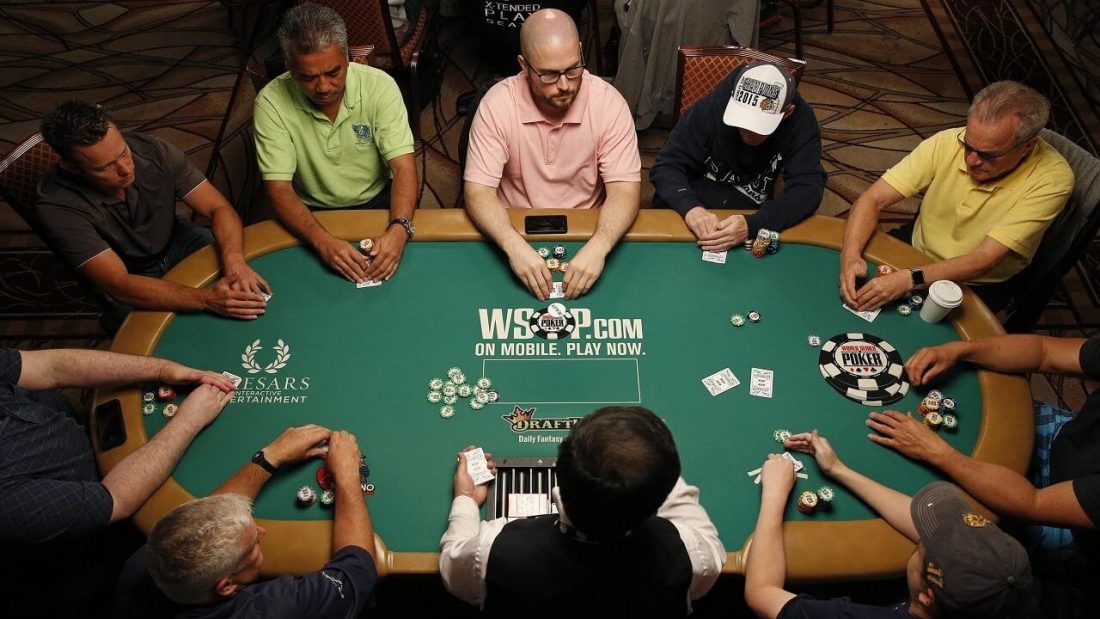
- Social Interaction: Poker also appeals to players because it creates a shared social setting in which conversation, observation, etiquette, and friendly rivalry all matter. Cash games and tournaments bring together people with different playing styles and levels of experience, giving participants opportunities to read non-verbal cues, adapt to changing table dynamics, and develop mutual respect over repeated sessions. Even brief exchanges between hands can make play feel less solitary, while regular games may strengthen a sense of belonging and encourage players to return for the human experience as well as the strategic challenge. Face-to-face poker is especially interactive because decisions are shaped not only by cards and probabilities but also by the behaviour of real opponents.
Reasons for decrease and loss of motivation
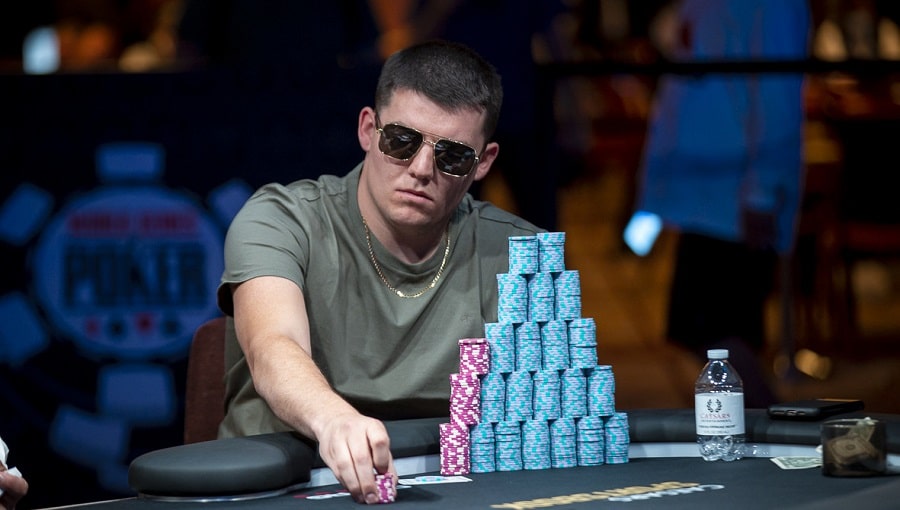
- Burnout: Playing excessively without breaks can lead to mental exhaustion.
- Continuous Losing Streaks: A series of losses can dent confidence and diminish the drive to play.
- Lack of Progress: If a player feels they’re stagnating and not improving, it can lead to demotivation.
- External Factors: Personal life issues, stress, or health problems can affect one’s motivation to play.
How to restore or increase motivation?
- Set New Goals: Break down your poker journey into smaller, achievable targets. Celebrate small victories.
- Seek Mentorship: Engage with a more experienced player or coach who can offer guidance, new perspectives, and reignite your passion.
- Mix Things Up: Try different poker variants, or adjust your playing environment.
- Take a Break: Sometimes stepping away from poker for a while can provide clarity and help restore genuine interest in the game. A deliberate pause gives you time to recover from mental fatigue and reconsider your goals without the pressure of making immediate decisions. Spending that time on sleep, exercise, hobbies, or social activities unrelated to gambling can help you return feeling rested, focused, and ready to approach poker with a healthier perspective.
- Engage with the Community: Discuss hands, strategies, and experiences with fellow players. Shared stories and camaraderie can reignite the spark.
- Focus on Learning: Diving deep into study, understanding new strategies, or dissecting hands can restore interest.
Conclusion
Loss of motivation in poker is a natural phase in a player’s journey. Recognizing it, understanding its roots, and employing strategies to combat it is crucial. With self-awareness, support, and the right approach, the tables can turn, reigniting the passion and drive for the beautiful game of poker.